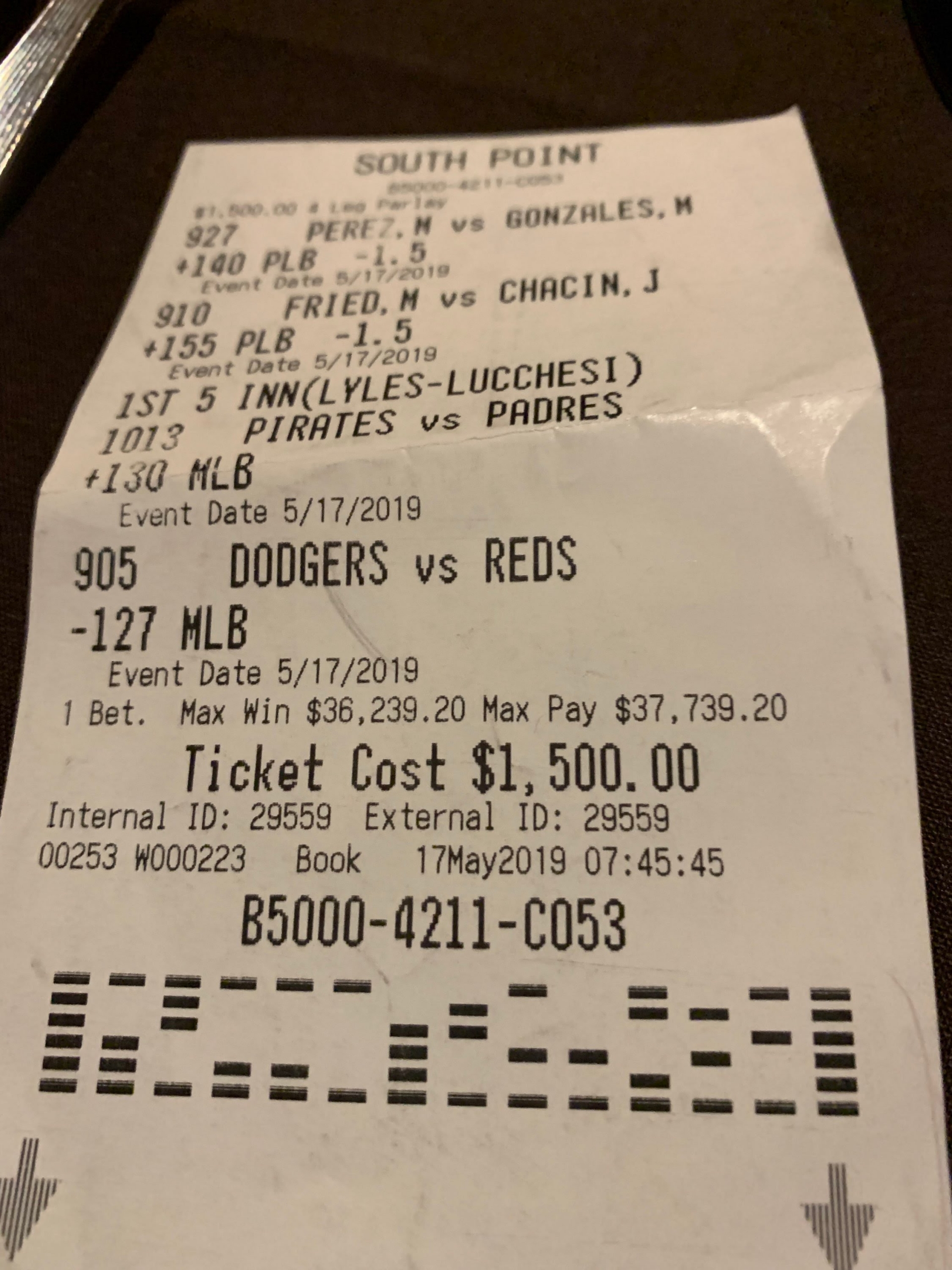
A friend recently asked me whether sports picks would stop selling now that betting is legal in most markets. I asked him a question back: did he think people would stop paying for stock market advice once that information became more accessible?
The comparison holds up. Just as there’s plenty of worthless stock advice floating around, there’s plenty of worthless sports handicapping too. But the appeal of paying for a pick is the same as the appeal of paying for a stock tip: when someone has the resources and conviction to back their analysis, getting paid for being right is one of the most attractive propositions in either market.
These days, it feels like everyone is a handicapper. The same way social media turned everyone into a reporter, legal sports betting has turned everyone into an analyst with an opinion and a position on the line. Most people know enough about their favorite sport to sound credible. Far fewer have put in the years of tracking results, refining models, and surviving losing streaks that it actually takes to be reliable over the long run. That gap is exactly why demand for quality handicapping keeps growing alongside the betting market itself.
It’s the same dynamic Wall Street has dealt with for decades. Plenty of people lean on algorithms, models, or pure guesswork to call the next move. But consistency — not a hot streak — is what separates real expertise from noise. The handicappers and analysts who can back up their picks with a track record will always find buyers, because the one thing that never goes out of style is being right when money is on the line.